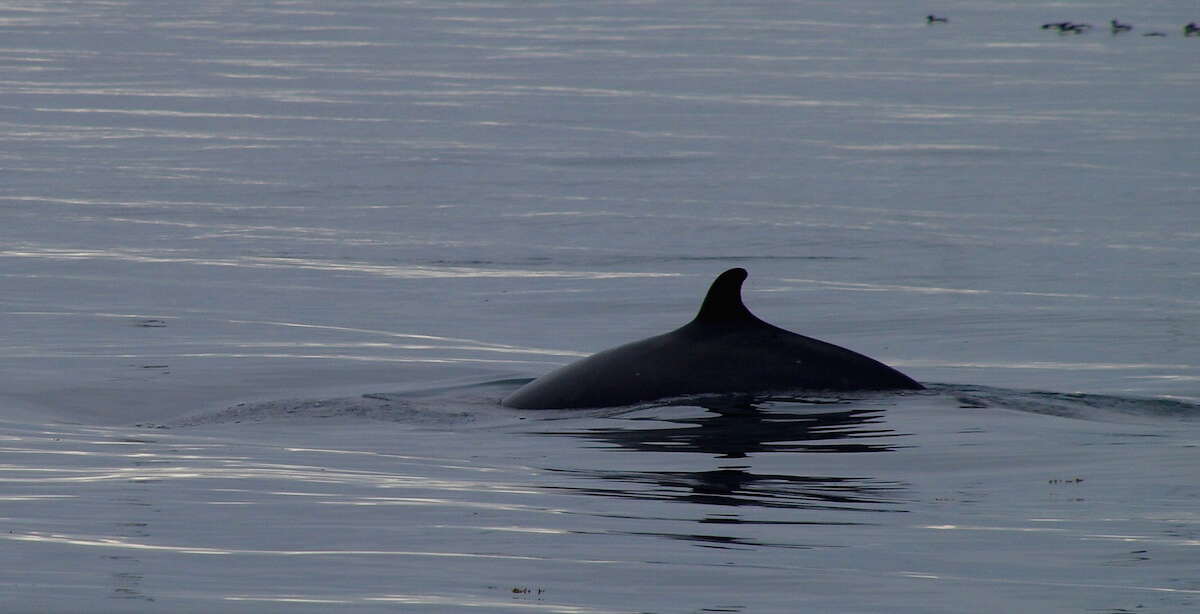
We’re doing a tour around Pico. Pico is one of the largest islands in the Azores, named after the volcano that turned a large part of the island black. But we’re not here for the volcano.
On the south side of Pico, whales were hunted until 1984 (not a typo). Fortunately, that’s no longer the case today, but those whales are the reason we’re sailing around the island now.
We sail around peacefully. Binoculars around our necks, camera within reach, whale watch on the foredeck. The wind and the engine do their work and we lean back, steering a bit where needed and enjoying ourselves.
In the 19th century, things were very different. The whale hunters of that time chased their prey by rowboat. As soon as a sperm whale was spotted from the watchtowers on the coast, they rowed toward it at breakneck speed to spear it with their harpoon.
The sperm whales provided tons of ‘blubber’ that was used as lamp oil. The meat was suitable as animal feed, while scrimshaws were made from the bones or teeth: engraved decorative objects and jewelry. But the most valuable thing about the sperm whale was the waxy substance found in its enormous head. An ideal lubricant and the base for wax candles.
This special substance ensures that the sperm whale’s head doesn’t collapse under the enormous water pressure in the deep sea and implode. Exactly how that works is still not entirely clear, and we won’t find out today either. But hopefully, we will discover where the sperm whales are hiding.
Want more tips and travel inspiration? Sign up for our magazine and receive the booklet 12 must-have tips for your unforgettable trip as a gift.