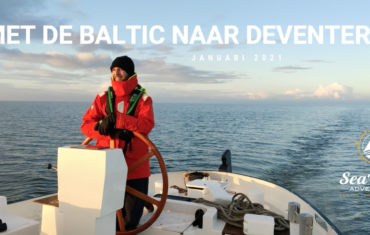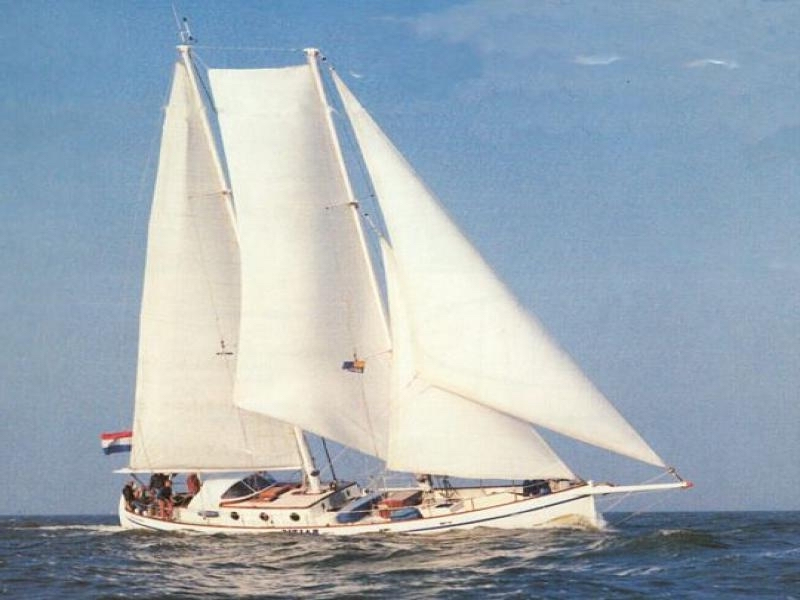
Many in the charter fleet will still remember the two-masted staysail schooner ‘Baltic’ sailing across the IJsselmeer or, later, on the Mediterranean Sea and along the Norwegian coast. For the last 10 years, the ‘Baltic’ was moored at the Marina Muiderzand as a houseboat. But the sailing ship is far from ready for retirement.
Sailing to the high north with the Baltic
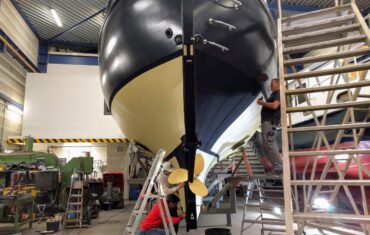
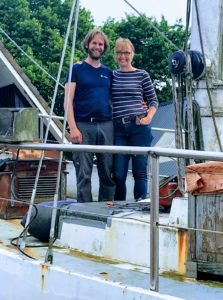
Since late May 2018, the ‘Baltic’ has new owners. Annet and Marijn Achterkamp, who both attended the Enkhuizen Nautical College and logged countless nautical miles, are preparing the ‘Baltic’ for a new adventure. They are taking a few years to get the ship back into top condition. After that, they will set course for the high north.
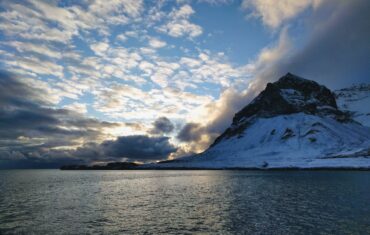
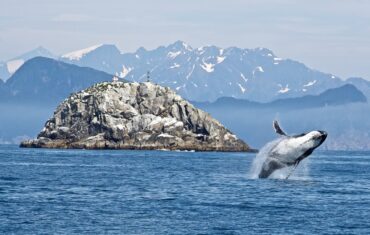
The goal of the sailing trips they organize there is to let guests experience not only the beauty of the area, but especially the power and vulnerability of nature. A maximum of 8 people can join each expedition on the ‘Baltic’.
“Of course, we would love to show these unique areas to as many people as possible,” says Marijn Achterkamp. “But nature in the polar regions is under enormous pressure. We don’t want to head there with hundreds of people at a time, like cruise organizations sometimes do. That’s why we chose a relatively small ship.”
Caring for the earth
With their company SeaWind Adventures, they want to make people aware that the earth is worth taking good care of. “You can, of course, watch documentaries and read articles about global warming at home on the couch. But it only really hits home when you stand at the foot of a glacier yourself and see how fast it has receded in recent decades,” is Annet Achterkamp’s experience.
“During my sailing trips from Spitsbergen to Antarctica, I encountered plastic bags and bottles on deserted beaches and even in the middle of the ocean. That really makes you think about how we treat the world.”
A sailing ship like the ‘Baltic’ is a striking metaphor for our earth, the two offshore sailors believe. After all: you have to make do with what you have on board. “Underway in Arctic or Antarctic waters, you can’t just pull over to fill your pantry or fuel tank. When it’s gone, it’s gone, and that’s essentially how it is with our earth too.”
Sustainability
The ‘Baltic’ will therefore be equipped as sustainably as possible. Think of walk-on solar panels, an oil-lubricated propeller shaft (with biodegradable oil), energy-efficient lighting, fossil-free fuel (Neste MY), and water-saving showers. Together with the Classification Society, Marijn and Annet will also investigate the possibilities for electric propulsion for the ship and efficient reuse of cooling water.