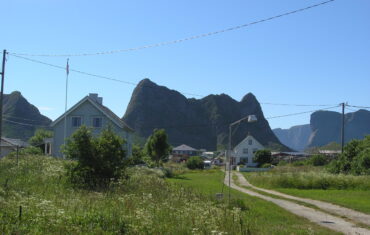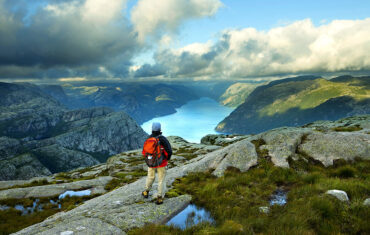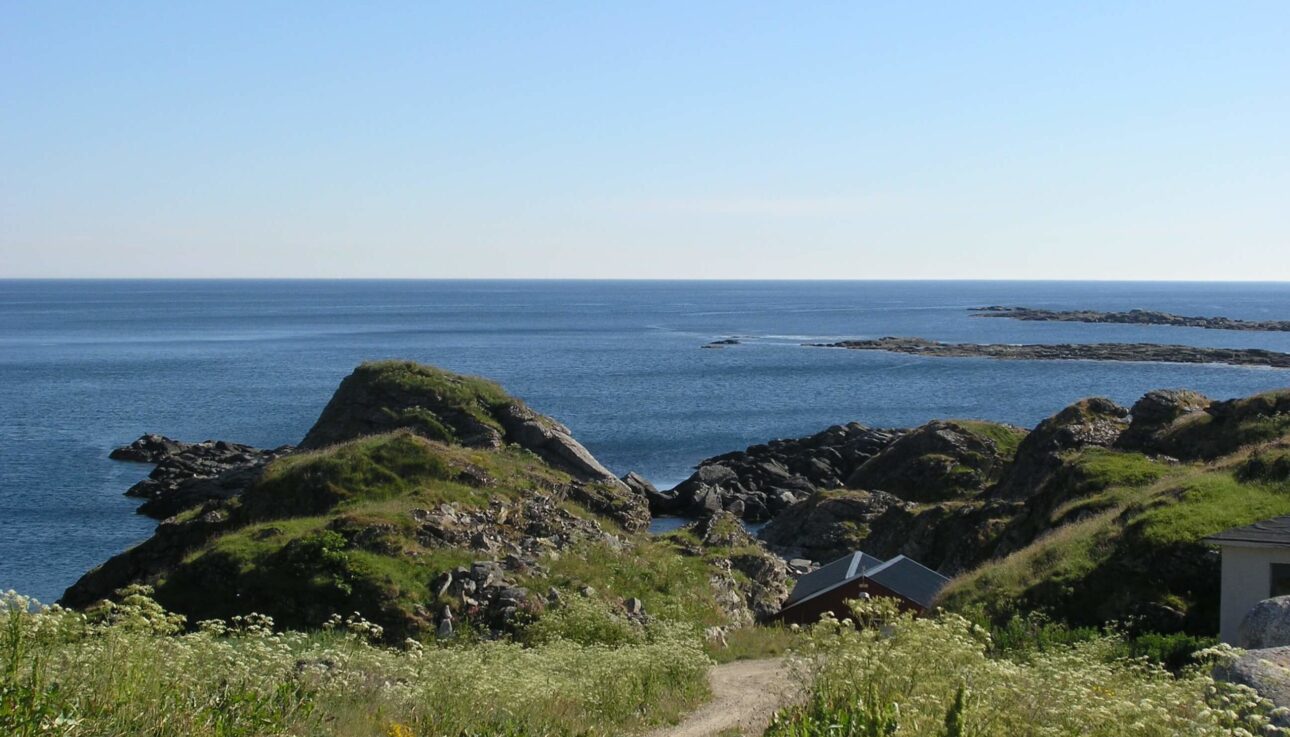
The coast and islands of Norway are incredibly photogenic. Seawater spraying against the rocks, fjord walls rising steeply, the typical red fisherman’s huts… A unique place to head out with your camera and shoot the most fantastic photos. 5 tips to make them even better.
1 Know your camera (and all the buttons)
Knowing how your camera works and what it can do is the foundation of every good photo. Of course, you can get many lucky shots with the standard settings of a compact camera or your phone’s camera—and definitely use those if you’re short on time—but by playing with the aperture, shutter speed, or ISO settings yourself, you’ll get the most out of your camera. Go ahead and ‘play tourist’ for a day with your camera: take a walk through the floodplains, go to the woods or the zoo (on a weekday outside of vacation time), and try as many settings and perspectives as possible.
2 Buy sunglasses for your lens
Just as you protect your eyes from bright light and glare with sunglasses, you can also bring a polarizing filter for your camera lens. This prevents parts of your photo from being ‘blown out’ by bright light and makes your photo calmer and more pleasant to look at. Besides sunlight and water reflections, the filter is also a ‘must’ for snowy areas.
3 Depth of field
Landscape photos often look best when the sharpness in the photo is more or less equal everywhere. This balances the photo and allows you to experience the entire landscape—instead of your eye being drawn to that one sharp spot against a blurry background. Therefore, choose a small aperture (that’s a high f-stop, for example f11 or f16). Less light will enter the lens, so you’ll need to make your shutter speed a bit longer to compensate.
4 Look for contrasts
The interest in a landscape photo often lies in the contrast. You can easily create contrast by placing something in the foreground, such as a rock formation, your shoes, a boat, or a lighthouse. Or divide the photo into sections by using the coastline (land vs sea) or horizon (sea vs sky). Make sure the horizon isn’t crooked… (you can straighten it later with a photo editing program, but you’ll lose part of your photo in the process).
5 Choose the right time
If you have the chance, head out very early. Set your alarm an hour before sunrise, don’t roll over, grab your camera, and go. You might think there’s little to photograph before the sun comes up, but this is exactly the moment of the magical blue light. You’ll be amazed by the effect and you’ll be on time to capture that beautiful sunrise anyway.
Slept in anyway? Check when the sun sets and find a good spot at least half an hour beforehand. Play with your camera settings and keep at it. Once the sun is behind the horizon, the spectacle is certainly not over yet!
Want more tips and travel inspiration? Sign up for our magazine and receive the booklet 12 must-see tips for your unforgettable trip as a gift.
Taking photos in the Lofoten and Vesterålen?
The following photo trips are planned for 2019:

Photography trip Northern Norway

Sailing expedition Northern Lights photography

Or will you step on board in 2018 for the Sailing Expedition and Whale Safari in the Vesterålen?