The Arctic Circle is roughly halfway through Norway, at 66.5° N. It runs about 75 km south of the city of Bodø and just past the northernmost tip of Iceland. North of the Arctic Circle, you can experience the magical midnight sun in the summer: 24-hour daylight. And the further north you go, the longer that period lasts.
In the past, midsummer was an important time of year. At Stonehenge (UK), for example, on the longest day of the year, the first rays of sunlight appear exactly behind the largest stone in the formation, the Heel Stone.
Norwegians, and many other Northern European peoples, light big bonfires on the evening of June 23 (St. John’s Eve). In the past, these were used to ward off witches and to counteract the power of trolls and evil spirits that would emerge from their caves during midsummer night.
Nowadays, it’s a joyful celebration when the sun reaches its highest point. After that, it already starts its journey back to the Southern Hemisphere. However, you can still enjoy the midnight sun at the Arctic Circle from June 12 until July 1. If you really want to take advantage of the sunlight for a long time, you’ll have to travel to Svalbard. There, the sun doesn’t set between April 18 and August 24.
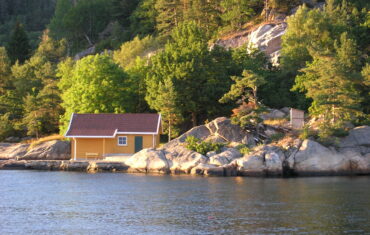
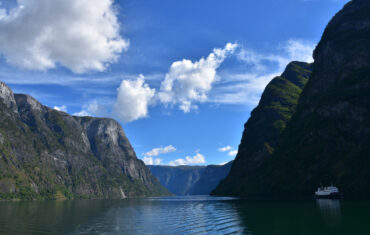
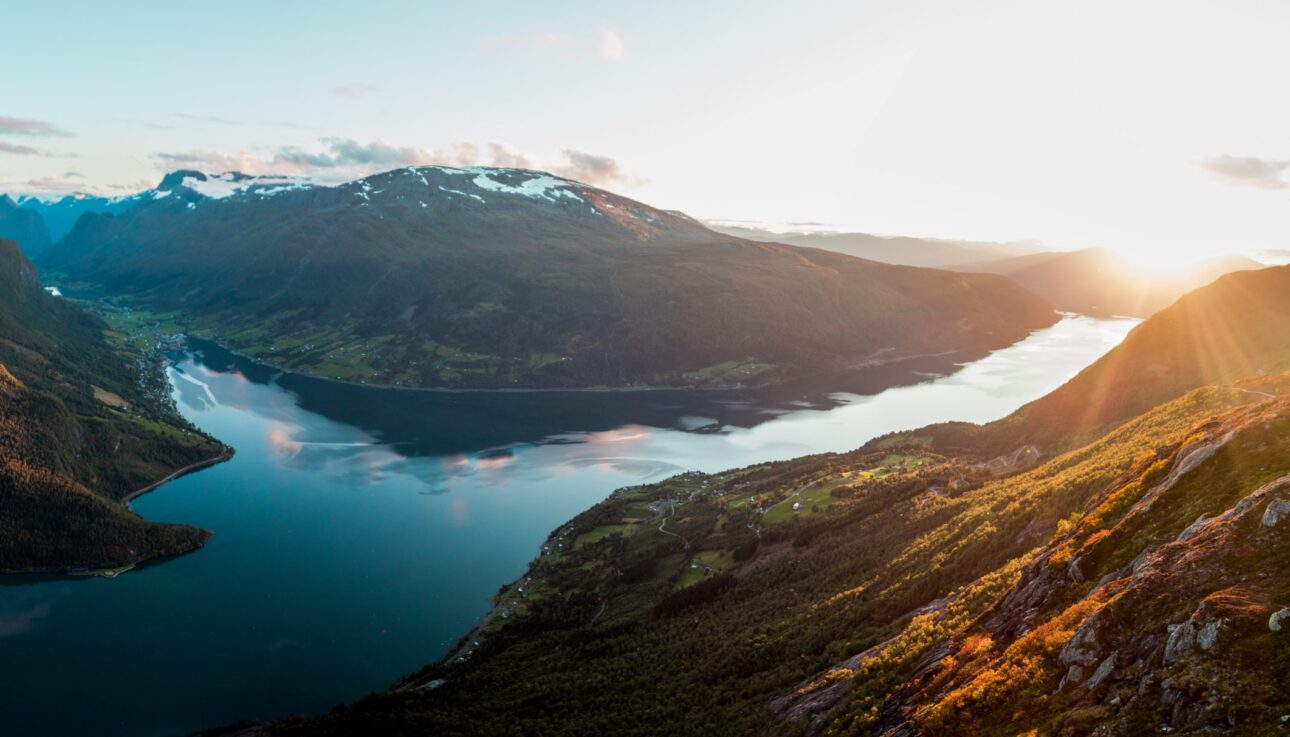
During many of our sailing trips in Norway, you’ll also be able to enjoy the midnight sun. It often gives you extra energy and a magical feeling to glide through the remote fjords in the middle of the night, in full light.
Midnight Sun (24-hour daylight):
| Where | When |
| The Arctic Circle | June 12 – July 1 |
| Bodø | June 4 – July 8 |
| Svolvær | May 28 – July 14 |
| Harstad | May 25 – July 18 |
| Andenes | May 22 – July 21 |
| Tromsø | May 20 – July 22 |
| Hammerfest | May 16 – July 27 |
| The North Cape | May 14 – July 29 |
| Longyearbyen | April 20 – August 22 |
Photo: Jorn Allan Pederson